
Supporting Agencies


QMRA Scientists
The Principal Investigators of CAMRA and Some Highlights of Their Expertise
Many of the investigators in CAMRA have previously worked together and published together in various fields of microbiology, environmental ecology, risk assessment and disease transmission.
Quicklinks to Primary Investigators: |
-
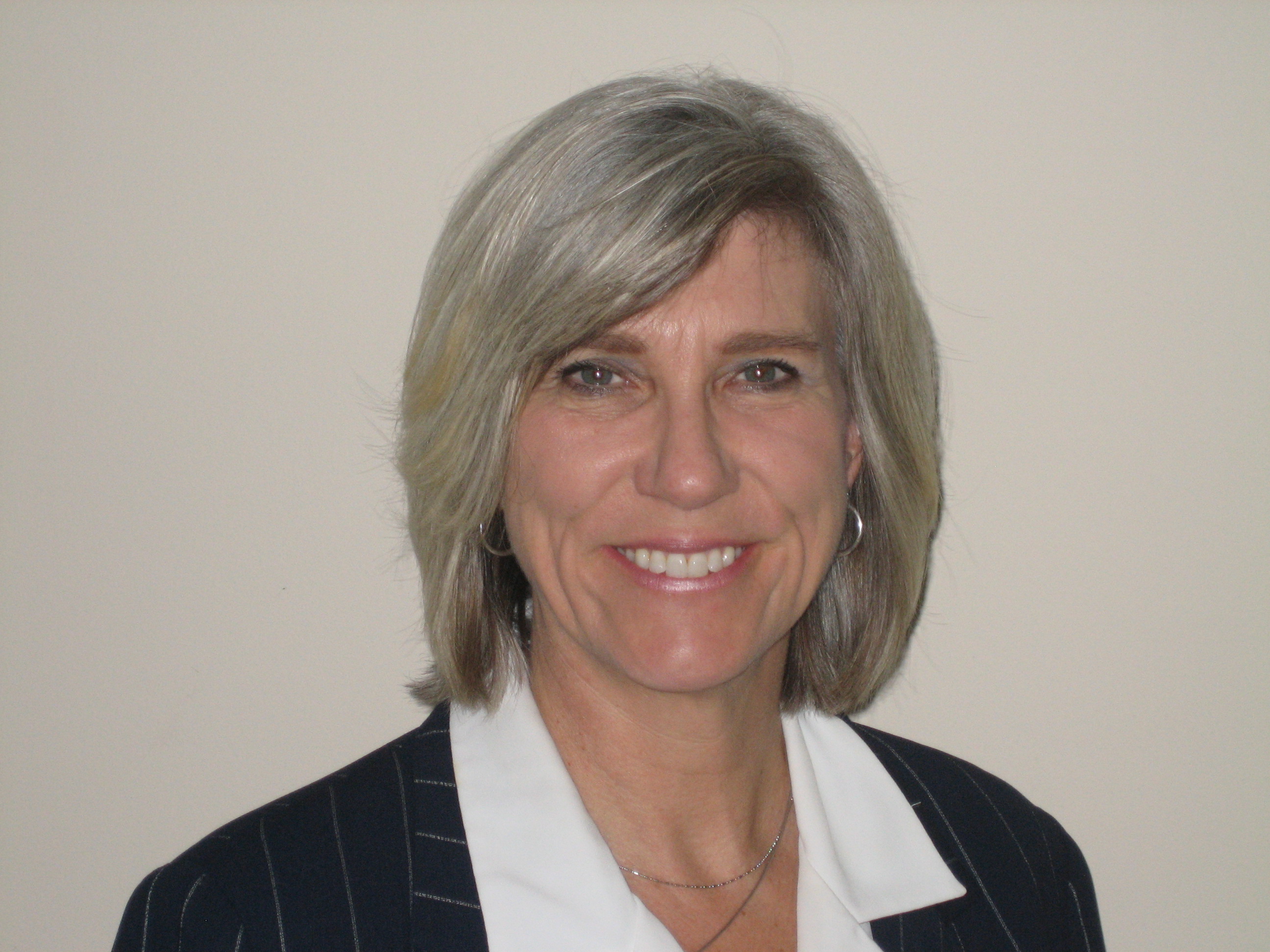 Dr.
Rose, co-director (MSU) has worked with Dr. Haas since 1988
and is a co-editor along with Dr. Haas of the only book on MRA, Quantitative
Microbial Risk Assessment, (John Wiley and Sons, NY, NY, 1999).
She has been involved with integrated microbial risk assessment models
with Drs. Casman and Small and has worked with Dr. Gerba on MRA as
well as on methods and transport assessment for bacteria, parasites
and viruses. She has been involved with EPA and development of the
methods and data for support of various rule making including the Enhanced Surface Water Treatment Rule. Her recent collaborations
have examined zoonotic pathogens with Dr. Carole Bolin and Biochip
development with Dr. Syed Hashsham.
Dr.
Rose, co-director (MSU) has worked with Dr. Haas since 1988
and is a co-editor along with Dr. Haas of the only book on MRA, Quantitative
Microbial Risk Assessment, (John Wiley and Sons, NY, NY, 1999).
She has been involved with integrated microbial risk assessment models
with Drs. Casman and Small and has worked with Dr. Gerba on MRA as
well as on methods and transport assessment for bacteria, parasites
and viruses. She has been involved with EPA and development of the
methods and data for support of various rule making including the Enhanced Surface Water Treatment Rule. Her recent collaborations
have examined zoonotic pathogens with Dr. Carole Bolin and Biochip
development with Dr. Syed Hashsham. -
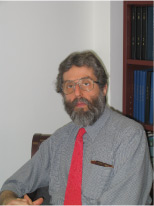 Dr. Haas, co-director (Drexel)
was one of the first scientists to examine dose-response data sets
for microbial agents spread through environmental means and implement
a quantitative risk framework following the NAS. He was the primary
editor behind the book on Quantitative Microbial Risk Assessment.
He has interacted with EPA in regard to disinfection and rules for
development of the Surface Water Treatment Rule. He has examined outbreak
data, inhalation, ingestion and contact exposures. He has recently
published on dose-response modeling for anthrax. Dr. Haas has been
a member of several National Research Council committees dealing with
bioterrorism. He served on a panel to review the EPA research strategy
for homeland security protection of water and wastewater infrastructure
He is currently serving on a committee to define :"how clean
is safe" following clean up from a bioterrorist event.
Dr. Haas, co-director (Drexel)
was one of the first scientists to examine dose-response data sets
for microbial agents spread through environmental means and implement
a quantitative risk framework following the NAS. He was the primary
editor behind the book on Quantitative Microbial Risk Assessment.
He has interacted with EPA in regard to disinfection and rules for
development of the Surface Water Treatment Rule. He has examined outbreak
data, inhalation, ingestion and contact exposures. He has recently
published on dose-response modeling for anthrax. Dr. Haas has been
a member of several National Research Council committees dealing with
bioterrorism. He served on a panel to review the EPA research strategy
for homeland security protection of water and wastewater infrastructure
He is currently serving on a committee to define :"how clean
is safe" following clean up from a bioterrorist event.
-
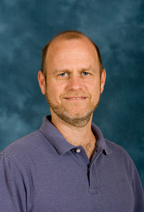 Dr. Eisenberg (UM) is an
expert in the area of microbial risks and study of disease transmission
models for water. He has collaborated with Drs. Rose Haas and Dr.
Koopman in the past, in addition to being involved with the scientists
from University of California-Berkely and the University of Michigan.
His current research interests include the epidemiology of waterborne
pathogens and malaria. He has been involved in examining impacts and
approaches for controls for environmentally transmitted agents and
serves as an advisor to both the national and international communities
of public health professionals.
Dr. Eisenberg (UM) is an
expert in the area of microbial risks and study of disease transmission
models for water. He has collaborated with Drs. Rose Haas and Dr.
Koopman in the past, in addition to being involved with the scientists
from University of California-Berkely and the University of Michigan.
His current research interests include the epidemiology of waterborne
pathogens and malaria. He has been involved in examining impacts and
approaches for controls for environmentally transmitted agents and
serves as an advisor to both the national and international communities
of public health professionals. -
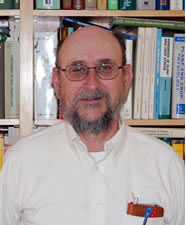 Dr. Gerba (UA) is well known for his research on
virus transport in water. He has been involved in survival and transport
studies; point-of-use (POU) disinfection, prototype devices for UV
disinfection. He has been involved in methods development and assessment
for microbial detection in water and quantifying dispersion of biological
agents in biosolid aerosols and domestic environments. He is PI of
the Environmental Dispersion of Biological Agents in Sewer systems
study for DARPA and the Alternatives for chlorine disinfection of
water supplies study for the Dept. of Homeland Security SARPA He is
also studying the dispersion of spores in drinking water distribution
systems.
Dr. Gerba (UA) is well known for his research on
virus transport in water. He has been involved in survival and transport
studies; point-of-use (POU) disinfection, prototype devices for UV
disinfection. He has been involved in methods development and assessment
for microbial detection in water and quantifying dispersion of biological
agents in biosolid aerosols and domestic environments. He is PI of
the Environmental Dispersion of Biological Agents in Sewer systems
study for DARPA and the Alternatives for chlorine disinfection of
water supplies study for the Dept. of Homeland Security SARPA He is
also studying the dispersion of spores in drinking water distribution
systems. -
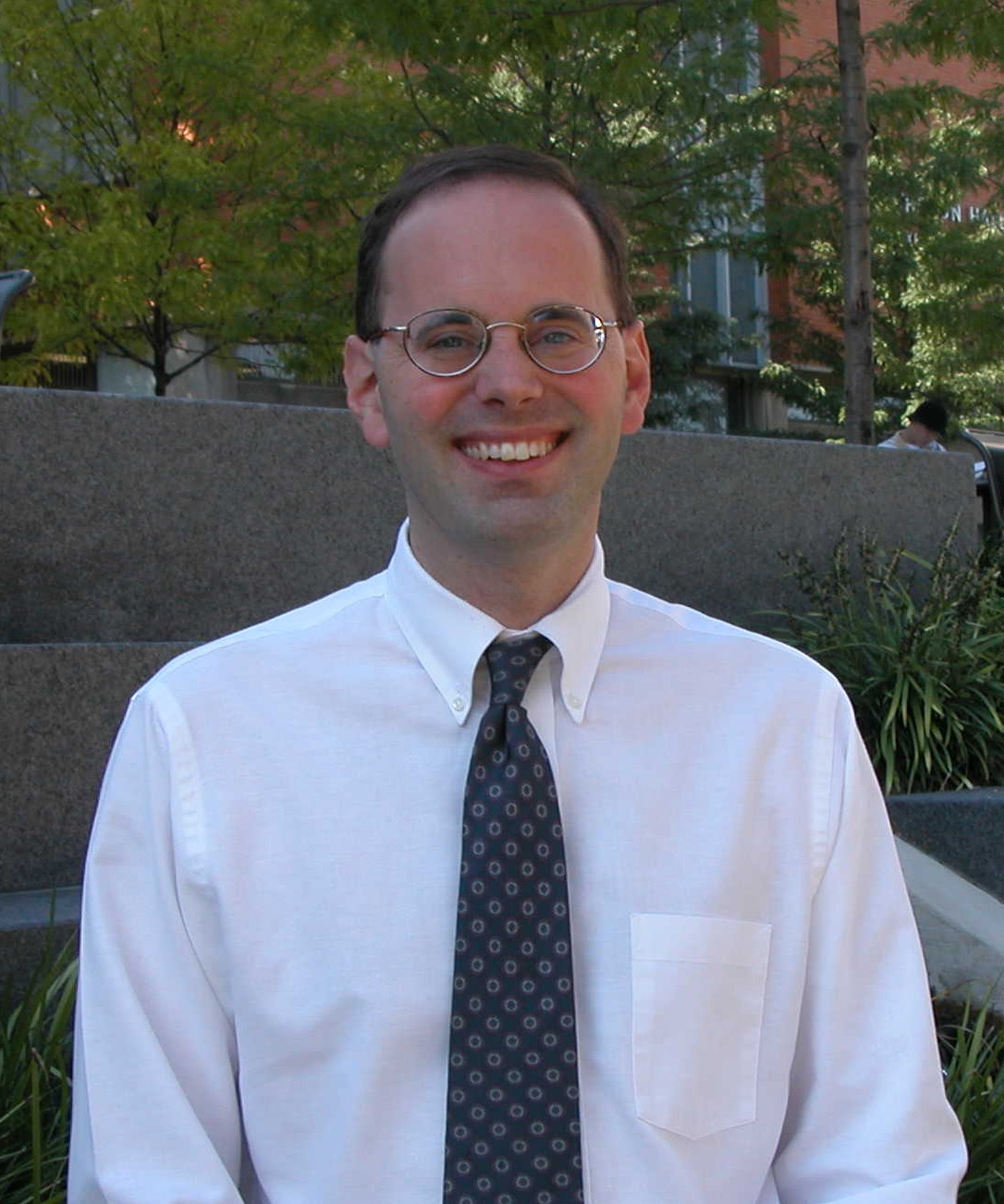 Dr. Gurian (Drexel) has developed integrated model
of exposure, risk, and impacts of alternative regulatory options for
multiple drinking water contaminants and is Co-PI of an NSF-sponsored
study of risk management for extreme events affecting the U.S.-Mexico
border-crossing infrastructure. He is currently involved in two studies
of the public perception of technological risks, one addressing the
perceived risk of wastewater reuse and one addressing the perceived
risk of carbon monoxide poisoning, and a third study concerning Bayesian
hierarchical modeling of the occurrence of contaminants in drinking
water.
Dr. Gurian (Drexel) has developed integrated model
of exposure, risk, and impacts of alternative regulatory options for
multiple drinking water contaminants and is Co-PI of an NSF-sponsored
study of risk management for extreme events affecting the U.S.-Mexico
border-crossing infrastructure. He is currently involved in two studies
of the public perception of technological risks, one addressing the
perceived risk of wastewater reuse and one addressing the perceived
risk of carbon monoxide poisoning, and a third study concerning Bayesian
hierarchical modeling of the occurrence of contaminants in drinking
water.